


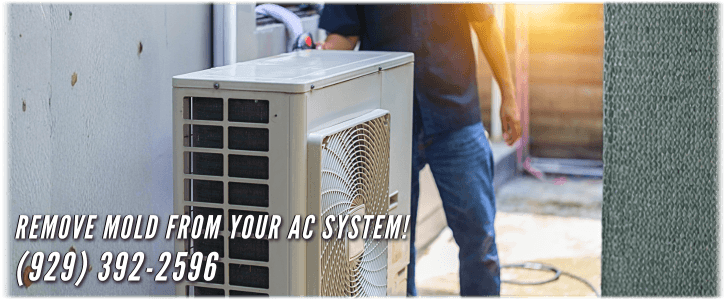
Persistent moisture or musty odors can signal a deeper issue, so HVAC Mold Removal in Staten Island can help address affected system areas. Mold may develop around damp components, coils, or nearby duct surfaces. Our team checks accessible areas, explains what we find, and recommends practical next steps based on the system’s condition.
Professional HVAC Mold Removal in Staten Island
Mold needs moisture to grow. Therefore, condensation, poor drainage, and restricted airflow can all create favorable conditions inside HVAC equipment.
We begin by reviewing accessible system components for visible growth, moisture, and buildup. Next, we identify areas that may contribute to the problem. Then, we explain the findings in clear language.
Because every home has a different HVAC layout, we avoid one-size-fits-all recommendations. Instead, we focus on the parts of the system that actually need attention.
When Should You Consider HVAC Mold Removal?
A musty smell can provide one of the first warning signs. In addition, visible spotting around vents or HVAC components may deserve attention.
Some homeowners notice odors that become stronger when the system starts running. Meanwhile, recurring condensation may point to ongoing moisture problems.
However, discoloration does not always confirm mold. Dust and staining can look similar. Therefore, a closer inspection helps determine the most sensible next step.
Why Staten Island Homes Can Develop Moisture Problems
Staten Island experiences humid summers and long periods of air conditioning use. As a result, cooling systems often handle significant moisture throughout the season.
Homes in Great Kills, New Dorp, Eltingville, and Tottenville also vary in age and HVAC design. Older systems may develop drainage or airflow concerns over time.
Meanwhile, newer systems can still experience condensation if filters clog or airflow becomes restricted. That is why regular system attention can help homeowners catch problems earlier.
Related Air Duct and HVAC Services
Some situations involve more than one part of the home’s ventilation system. Depending on the condition, homeowners may also need air duct cleaning or Ductwork Inspection.
We also provide AC coil cleaning, Air Duct Mold Removal, and air duct sanitizing for related system concerns. Each service targets a different area.
Other home airflow needs may involve dryer vent cleaning, attic cleaning, or chimney cleaning. In addition, broader HVAC cleaning may help when accessible components contain heavy dust or debris.
A Straightforward Mold Removal Process
Homeowners should understand what happens before any work begins. Therefore, we keep every step clear and easy to follow.
First, we evaluate accessible areas of the HVAC system. Next, we identify visible contamination and moisture-related conditions. Then, we treat appropriate surfaces using methods suited to the system.
We also explain any maintenance steps that may help reduce future moisture problems. Our goal is to provide clear answers and careful local service without unnecessary pressure.
If you notice recurring musty odors, visible growth, or excess moisture, call (929) 392-2596. Addressing the issue early can make the system easier to manage.
Frequently Asked Questions
What causes mold inside an HVAC system?
Moisture, condensation, drainage problems, dust buildup, and limited airflow can create conditions that support mold growth inside accessible HVAC components.
Can a musty odor come from the HVAC system?
Yes. Moisture, mold, or buildup inside accessible components can create musty odors that become stronger when the system runs.
When should I schedule HVAC Mold Removal in Staten Island?
Schedule service when you notice visible growth, recurring odors, or persistent moisture concerns. HVAC Mold Removal in Staten Island can help address affected areas and related conditions.
Address moisture and contamination before the problem becomes harder to manage by calling (929) 392-2596 for HVAC Mold Removal in Staten Island.